The biggest concern for any crypto investor is always, "Where and how can I store my coins safely?" Once investors realize the hidden risks of leaving funds on central exchanges, they face their very first major dilemma: choosing between a Soft Wallet and a Hard Wallet.
These two options differ entirely in their security mechanisms, convenience, and functionality. Let’s do a deep dive into the pros and cons of each to help you choose the right vault for your digital assets.
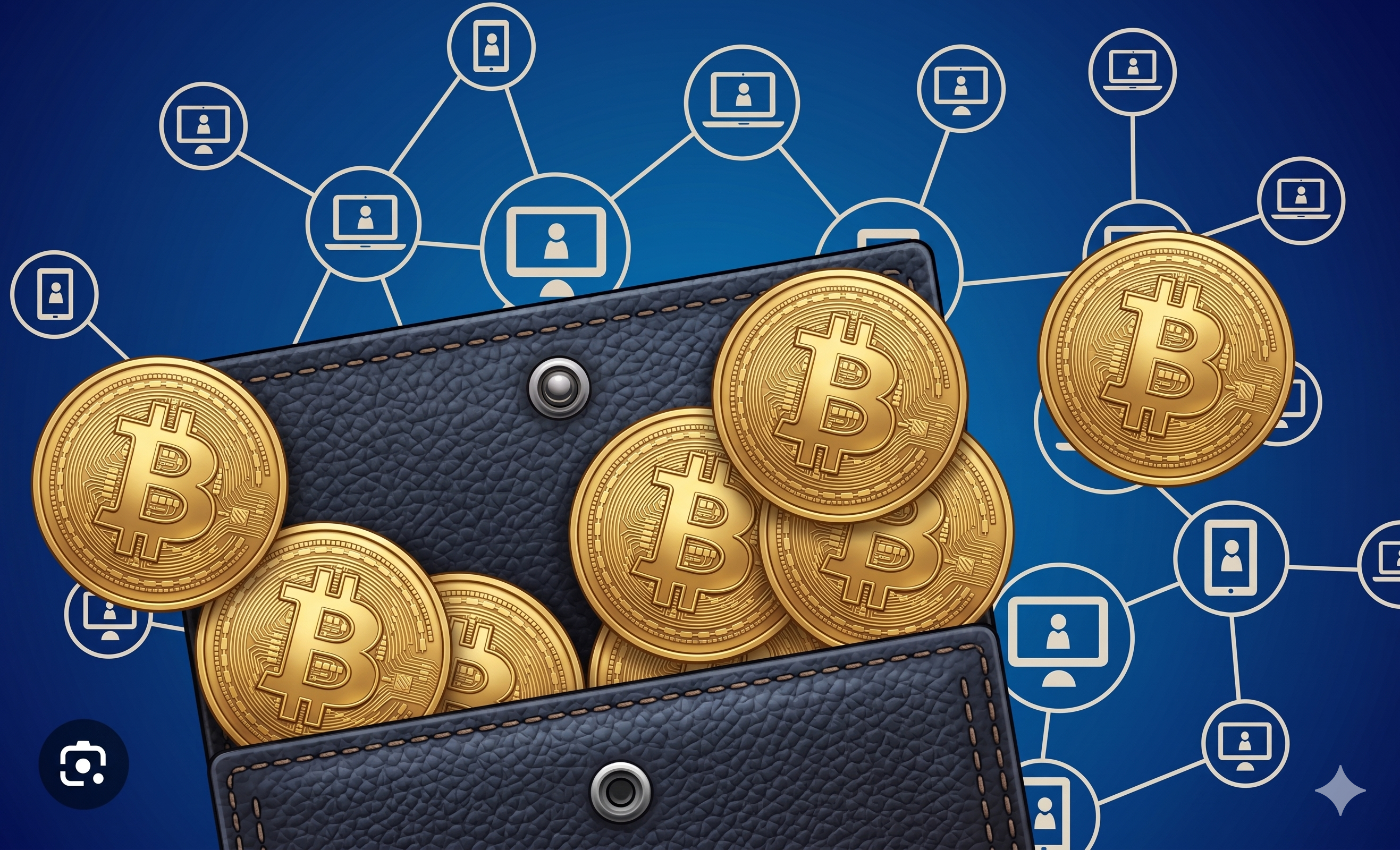
1. Soft Wallet: Convenience in Your Hand, but a Door Left Ajar
A soft wallet is a software-based wallet that exists as a mobile app or a web browser extension (e.g., MetaMask, Phantom). Because it is constantly connected to the internet, it is widely known as a "Hot Wallet."
- 👍 The Pros: Unmatched Convenience and Zero Cost
- Free to Use: Creating and operating a soft wallet costs absolutely nothing.
- Instant Transactions: It seamlessly connects to Web3 ecosystems like DeFi protocols and NFT minting platforms with just a few clicks.
- High Accessibility: As long as you have your smartphone, you can check your balance and transfer assets anytime, anywhere in the world.
- 👎 The Cons: Anything Connected to the Internet Can Be Hacked
- Online Vulnerabilities: Since your private keys or seed phrases are stored locally in the device's memory or browser data, your entire portfolio can be drained instantly if your phone or PC gets infected with malware or if you land on a phishing site.
- Device-Dependent Risks: Storing life-changing wealth on an everyday device means that losing your phone or compromising its permissions puts your security at extreme risk.
2. Hard Wallet: An Impenetrable Vault, but with Added Friction
A hard wallet is a physical hardware device (often resembling a USB drive) that keeps your private keys entirely offline. Because it is completely isolated from the internet, it is called a "Cold Wallet."
- 👍 The Pros: Bulletproof, Physical Security
- Cold Storage (Offline Isolation): Your private keys never touch the internet—not even during transaction approvals. Even if your computer is completely corrupted with malware, the keys inside the hard wallet remain isolated and safe.
- The Rule of Physical Confirmation: To send any transaction, you must physically press a button on the hardware device itself. Remote hackers are fundamentally stopped in their tracks; they simply cannot move your funds without physical access to your device.
- 👎 The Cons: Upfront Cost and Friction
- Initial Expense: Purchasing a reputable device generally costs anywhere from $50 to $200.
- Cumbersome User Experience: Every time you want to transfer coins or connect to a dApp, you have to pull the device out of your drawer, connect it via cable or Bluetooth, type in your PIN, and physically press buttons. This process can feel tedious for active, day-to-day traders.
At a Glance: Soft Wallet vs. Hard Wallet
| Criteria | Soft Wallet | Hard Wallet |
| Form Factor | Mobile Apps, Browser Extensions | Physical Hardware Device |
| Internet Status | Always Connected (Hot Wallet) | Completely Offline (Cold Wallet) |
| Security Level | Moderate (Risk of Phishing/Malware) | Maximum (Immune to Remote Hacking) |
| Cost | Free | $50 to $200 USD |
| Convenience | Extremely High (Instant Trading) | Low (Requires Physical Connection) |
Conclusion: It Might Be Tedious, but Your Wealth Belongs in a 'Hard Wallet'
In the world of investing, security and convenience are always inversely proportional. Soft wallets offer a sweet taste of convenience, but in an era of increasingly sophisticated AI-driven phishing scams and clever malware, using them is equivalent to leaving your vault door unlocked 24/7. The harsh reality of the crypto market is that hundreds of millions of dollars are stolen daily due to software vulnerabilities and approval errors.
As the wealth you have built with your sweat and tears grows, security can never be a matter of compromise. Even if it feels tedious, and even if pressing physical buttons every single time feels like a hassle, you must purchase a hard wallet and migrate your assets.
The price of that minor friction is absolute peace of mind—knowing that no hacker on Earth can touch your funds without your physical consent. Don't wait until the stable is empty to lock the gate; secure your hard-earned wealth in an absolute physical vault today.
Warning: Even when using a hard wallet, never type or save your 24-word recovery seed phrase on a computer, notepad, or cloud storage. It must be handwritten on a physical piece of paper or stamped into a metal card and locked away safely. Only then can you enjoy the true, uncompromised security of a hard wallet.
'Investing & Finance' 카테고리의 다른 글
| 돈은 수단일 뿐이다: 목적을 상실한 풍요가 가져오는 비극 (0) | 2026.05.22 |
|---|---|
| 내 비트코인을 위한 금고 선택: 탑티어 하드월렛 브랜드 3종 완벽 비교 (0) | 2026.05.19 |
| 내 코인 자산을 지키는 두 가지 방법: 소프트 월렛 vs 하드 월렛 완벽 비교 (0) | 2026.05.18 |
| Is Your Bitcoin Truly Yours? Why Self-Custody is No Longer Optional (0) | 2026.05.15 |
| 내 비트코인은 진짜 내 것인가? 개인 지갑 보관이 필수인 이유 (0) | 2026.05.15 |


